Italy's Southern Bet: How Tax Breaks and Empty Villages Are Pulling People Back
4 March 2026
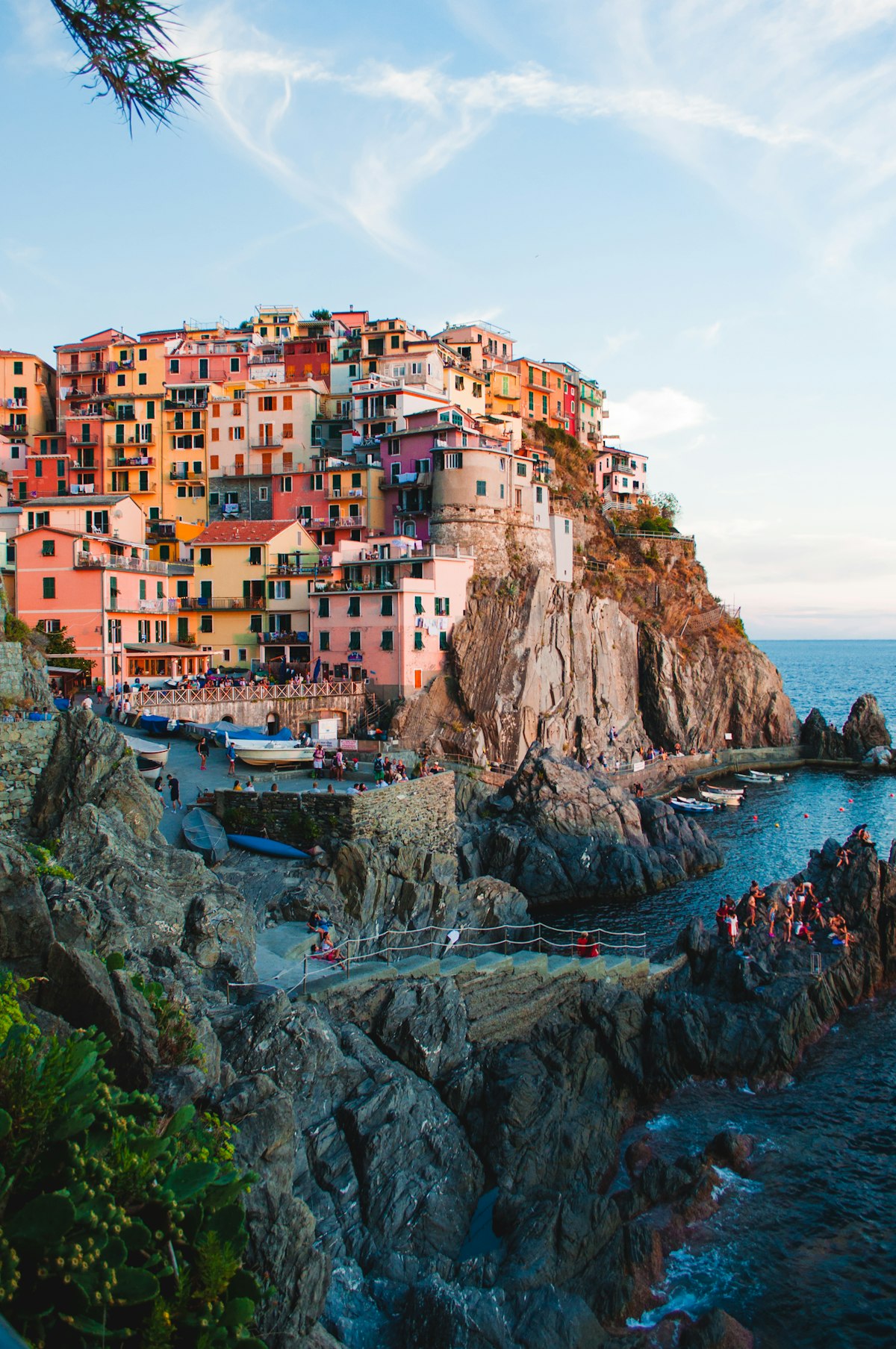
Italy's Southern Bet: How Tax Breaks and Empty Villages Are Pulling People Back
Italy has a problem most of Europe shares but Italy experiences in concentrated form: its population is shrinking, its young people are leaving, and entire regions, particularly in the south, have lost so much population that public services, local economies, and centuries-old towns are being hollowed out.
In response, the Italian state has assembled what is now probably the most generous set of tax incentives in any major European economy for people willing to move there. Here's what's actually on offer in 2026.
The four regimes that define Italian relocation
Italy operates four distinct special tax regimes for incoming residents. You can pick one, not several.
1. The Impatriati regime (for working professionals)
Under the post-2024 rules, qualifying impatriates pay tax on only 50% of their Italian-source employment income, meaning the other 50% is exempt. The exemption rises to 60% for those who relocate with a dependent child under 18.
To qualify, you must:
- Not have been an Italian tax resident in the last three years
- Commit to staying for at least four years
- Work primarily in Italy
- Hold a highly qualified or specialised role
The benefit applies for five years. For pre-2024 movers, the previous (significantly more generous) rules apply: 70% exemption nationwide, 90% for southern Italy.
2. The 7% flat tax for retirees in southern Italy
Foreign pensioners who relocate to a town with fewer than 20,000 inhabitants in Abruzzo, Molise, Campania, Puglia, Basilicata, Calabria, Sardinia, or Sicily can elect to pay a flat 7% tax on all qualifying foreign-source income, including pensions, dividends, and capital gains, for up to nine years.
Beneficiaries are also exempt from Italy's wealth tax on foreign assets and from foreign asset reporting obligations. This is the regime built explicitly to repopulate southern villages.
3. The HNWI lump-sum regime
High-net-worth individuals pay a flat €300,000 per year (from 1 January 2026) on all foreign-source income, regardless of how large that income is. Family members can be added for €25,000 each. The regime applies for up to 15 years.
This is the regime for senior executives, fund managers, founders, and investors with substantial foreign-source income, typically £500,000+ per year before the flat fee makes mathematical sense.
4. The researchers and academics regime
Researchers and university lecturers with at least two years of qualified work abroad benefit from a 90% income exemption on Italian-source academic income for six years. Italy's documented brain drain in the sciences is the target here.
Why Italy is offering all of this
Italy's population has been declining in absolute terms since 2015. Net births have been negative every year since 1993. The country estimates 100,000 to 150,000 Italian citizens leave every year, with a disproportionate share being graduates, scientists, and entrepreneurs in their twenties and thirties.
The four regimes, in combination, are an immigration and tax policy designed to address each piece of the problem: skilled returning Italians, foreign professionals, foreign retirees, and academic talent.
What Italian culture and life actually look like
Regional identity is the dominant social unit. The differences in cuisine, dialect, custom, and economic structure between Milan and Catania are larger than between many independent European countries. Where you settle in Italy matters far more than which country you've moved to.
Language is non-negotiable, especially outside the major cities. English proficiency in Italy is the lowest in Western Europe. In Milan, Rome, and Florence, you can function in English in professional settings. In a southern town of 8,000 people, you will not. Plan to learn Italian.
Bureaucracy is among the most challenging in Europe. Documents must usually be presented in person, in physical original form, often with official Italian translations. Hiring an Italian commercialista (accountant) is essentially mandatory for anyone using the tax regimes.
Pace and quality of life are real. Outside Milan, the Italian workday is genuinely slower than in northern Europe. The work-life balance, particularly in smaller cities and southern regions, is often a major positive surprise.
The honest assessment
Italy in 2026 is offering one of the most generous tax-and-residency packages in Europe, but the generosity comes with friction that the package itself does not solve.
The most common mistake among incoming residents is missing the deadline to opt into the relevant tax regime. Miss the deadline and you wait a year, or in some cases lose the benefit entirely.
The smart movers do the same thing: visit two or three regions seriously before committing, run the numbers on the tax regime that fits their income, hire a competent commercialista before they move, and treat the first six months in Italy as administrative work rather than dolce vita.
The good news is that the dolce vita is still there. You just have to file the right forms to reach it.