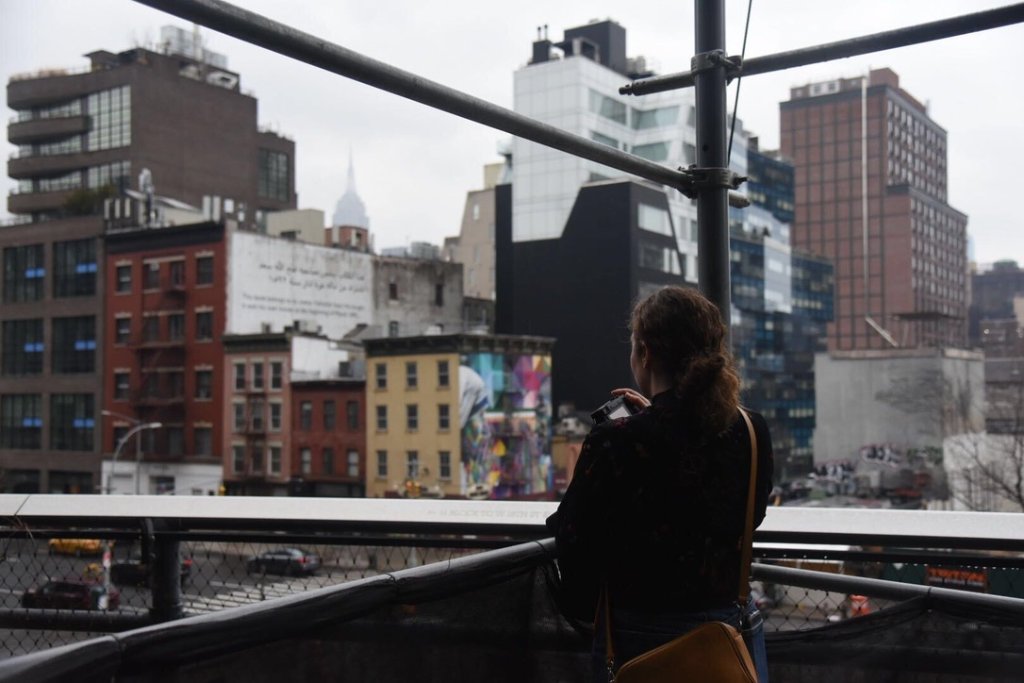
New York, The High Line. Still figuring out which borough felt like home.
Chapter one
Why.
We built Arrivli for the quiet stretch after the move, when the paperwork is done and you still don't feel at home yet.
Different countries, different continents, different reasons. Some of them planned for months. Some of them decided in a weekend. Some of them ended well. Some of them didn't.
It started before I had any say in it. My father was a consultant, gone for six weeks, back for two, gone for four weeks, back for one. The rhythm of our family was built around movement. So I learned early that you don't refuse a move. You learn the new place. You make it work.
The first one I remember as a real shock was New York to a small town in New Jersey, where the night was suddenly quiet and there were no streetlights and the world after dark was full of crickets I couldn't identify. I had just learned the rules of that town when my parents told me we were moving to Luxembourg for a year. I was thirteen. I didn't know what Luxembourg was. I didn't know what language they spoke. I cried myself to sleep for the first three months. By the end of the year I was crying because I had to leave.
As an adult, I made the same kind of decisions on my own. Copenhagen, with someone I thought I was building a life with. London, when the relationship and the life both came apart in the same season and a job opportunity I couldn't refuse opened up. It's in my blood to try new things, and to sometimes burn the life I have to the ground and start over. I wouldn't change that about myself.
What stayed constant across all of them was this: the paperwork was never the hard part. The hard part was the long stretch afterwards, the months when everyone assumed I was sorted because the visa was sorted, and I was very much not sorted.
London was supposed to be the easy one. I'd done this before. I had a job, a salary that justified the move, and the kind of professional support people are supposed to get when they relocate for work.
It still broke me in places I didn't know were soft. The questions came one at a time. How do I get my dog into the country. What happens to the medication I take every day. What is council tax and why is there one. What does it mean that my health records don't transfer. The internet had answers to all of it, and that was the problem. Hundreds of answers, most of them fragmented, half of them out of date, none of them written for the version of me actually trying to make it work. The relocation services that promised to help started at a few thousand pounds and still left me paying every vendor on top of that.
It wasn't the visa. The visa took a week. It was the eight months afterwards, the slow accumulation of small problems nobody had warned me about, and the dawning realisation that everyone around me assumed I was fine because the paperwork said I was.
"Settled on paper is not the same as feeling at home.
The second one is the one that matters."
Some of the places
I've been the new person a lot.
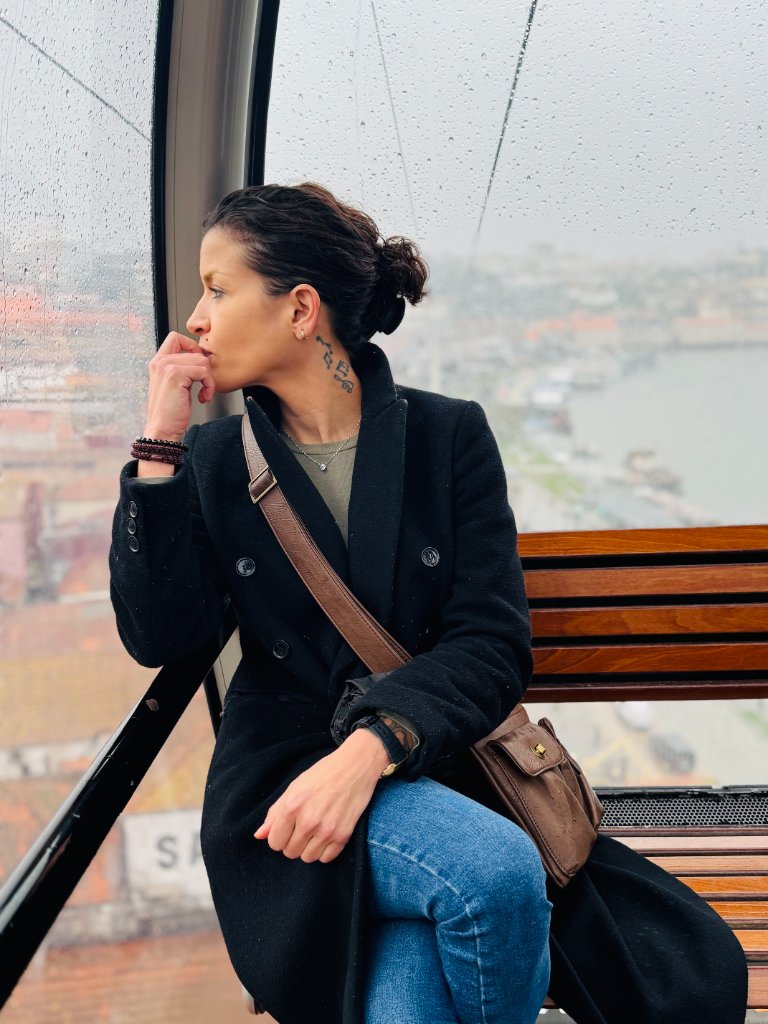
Porto, over the Douro
Three months in, still finding my bakery
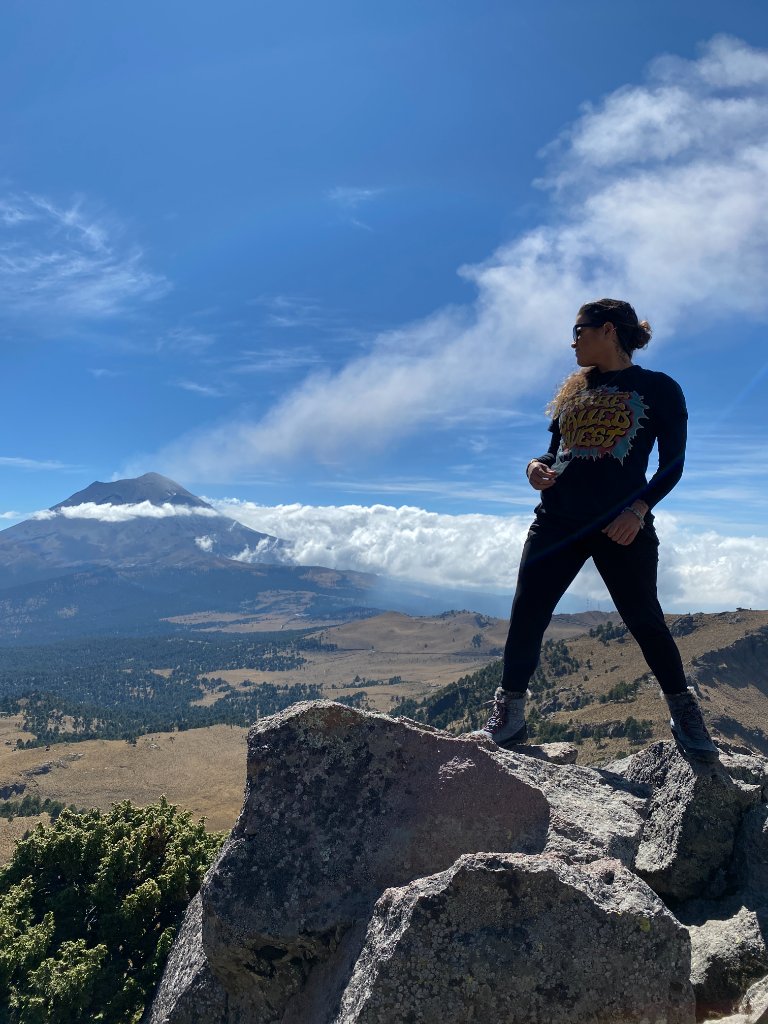
Pico de Orizaba, México
Standing somewhere new becomes a habit
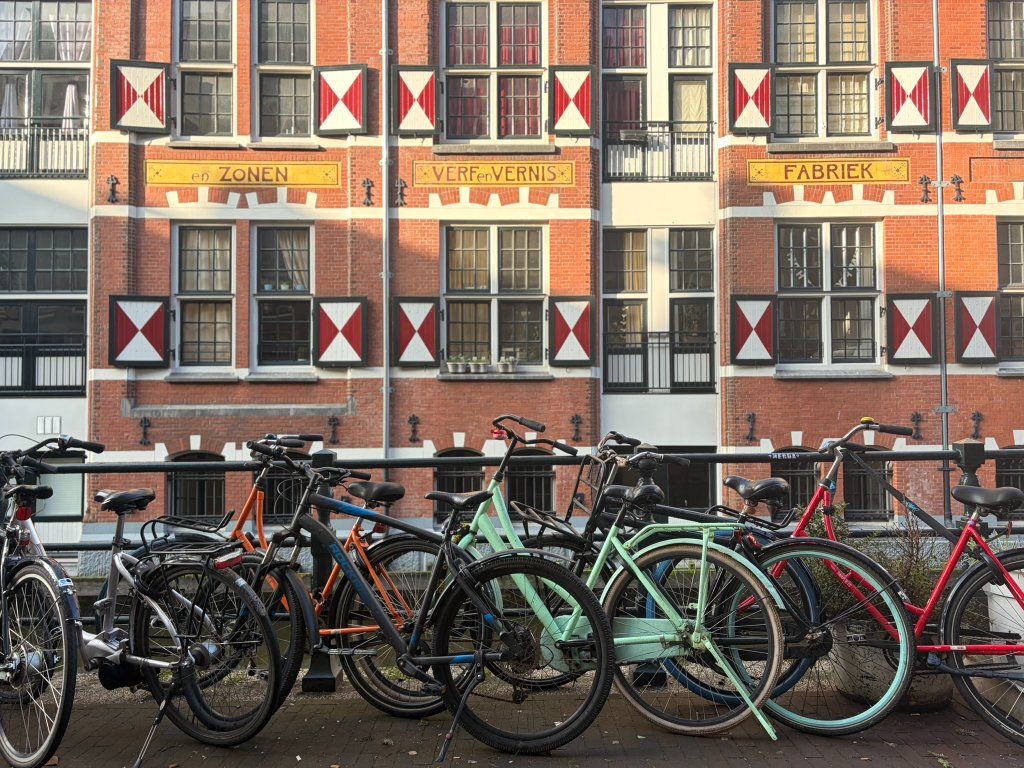
Amsterdam, Netherlands
Every city has its own language of getting around

Chapter two
So I started writing things down.
A checklist, at first. Then a longer document: the things I wished someone had told me at week six, at month three, at the strange quiet point around month nine when I realised I had stopped counting the days I'd been away.
Friends planning their own moves started asking for it. Then friends of friends. The same questions came back from people moving to entirely different countries, which told me something: these problems were not personal failings, they were structural. The category was broken, not me.
Arrivli is what those notes became. It's the platform I needed in 2019 and couldn't find. The place where the information is actually current, the support is actually affordable, and the framing isn't "expat this, expat that", because being told before you arrive that you'll never assimilate is exactly the wrong way to start a new life somewhere.
So Arrivli is built around a simple belief: moving abroad isn't a project that ends when you unpack. It's a year-long arrival, and the goal was never a finished checklist. It's the day you stop feeling like a visitor in your own life and start feeling at home.
The Pillars ... how we see the world
Arrival is a year, not a week.
The relocation industry treats moving as a logistics problem solved when the shipping container lands. Research, psychology, and lived experience all say the real experience unfolds across twelve to eighteen months. Everything we build serves the year, not the week. This is not a marketing angle. It is the reason the company exists.
Home is psychological before it's physical.
A house is not home. An address is not belonging. What makes a place feel like home is a specific set of internal experiences: routine, meaningful relationships, cultural fluency, the disappearance of daily friction. We build for the psychology of arriving, not the paperwork of moving. Every feature must earn its place against this test.
The Values ... how we act
Honest before impressive.
We would rather tell you the harder truth than a smoother story. We name our limitations in investor conversations. We tell users when we don't have an answer. This costs us in the short run and compounds in trust over the long run.
Specific over abstract.
We describe things concretely. Not "many people" but "one in three." Not "curated vendors" but "four stars on Google and BBB plus founder review." Vagueness is the enemy of trust. Specificity is a form of respect.
Composed, not clever.
We choose the warm word over the witty one, the clear structure over the surprising one, the quiet confidence over the loud claim. If we have to choose between elegant and impressive, we choose elegant.
We do the work to know.
We do not guess at what our users need. We ask. We stay curious about the edges of our own knowledge, and when we hit those edges we bring in experts and real users rather than pretending to have the answer.
Feedback is fuel.
We ask for hard feedback and act on it fast. When someone tells us we're wrong, our first move is to understand, not defend. This is how the company gets better every quarter.
Quality precedes commerce.
We do not accept payment to determine who our users trust. Vendors qualify on quality first, then, if they qualify, pay for the introduction. This is inefficient by industry standards. It is also the only structure that maintains the integrity of the platform over time.

"I built Arrivli because I learned all of this the hard way. The visa was the easy part. The eight months afterwards, when everyone assumes you're sorted because the paperwork says you are, that's the part nobody helps with. I want no one else to do that alone."